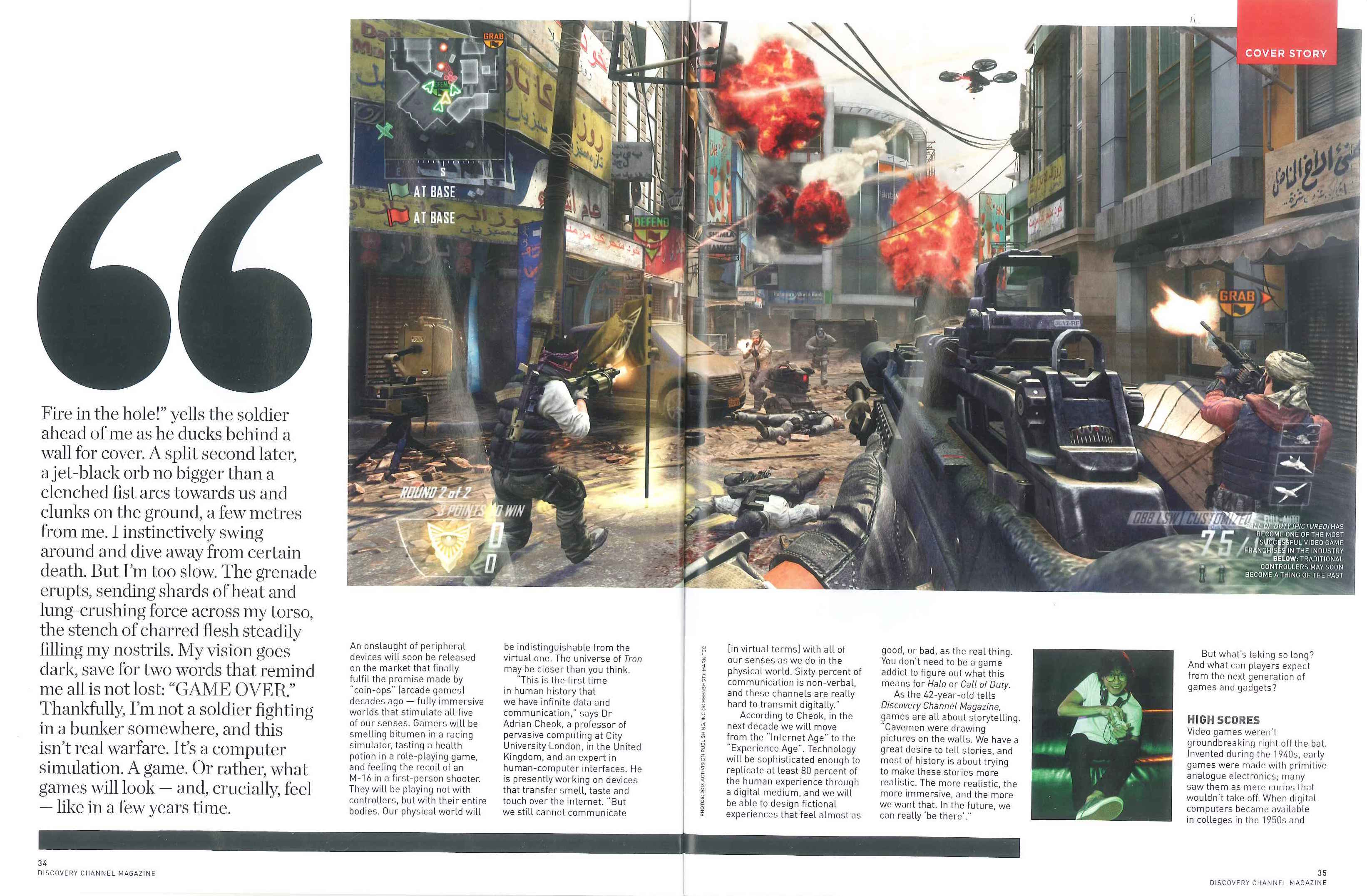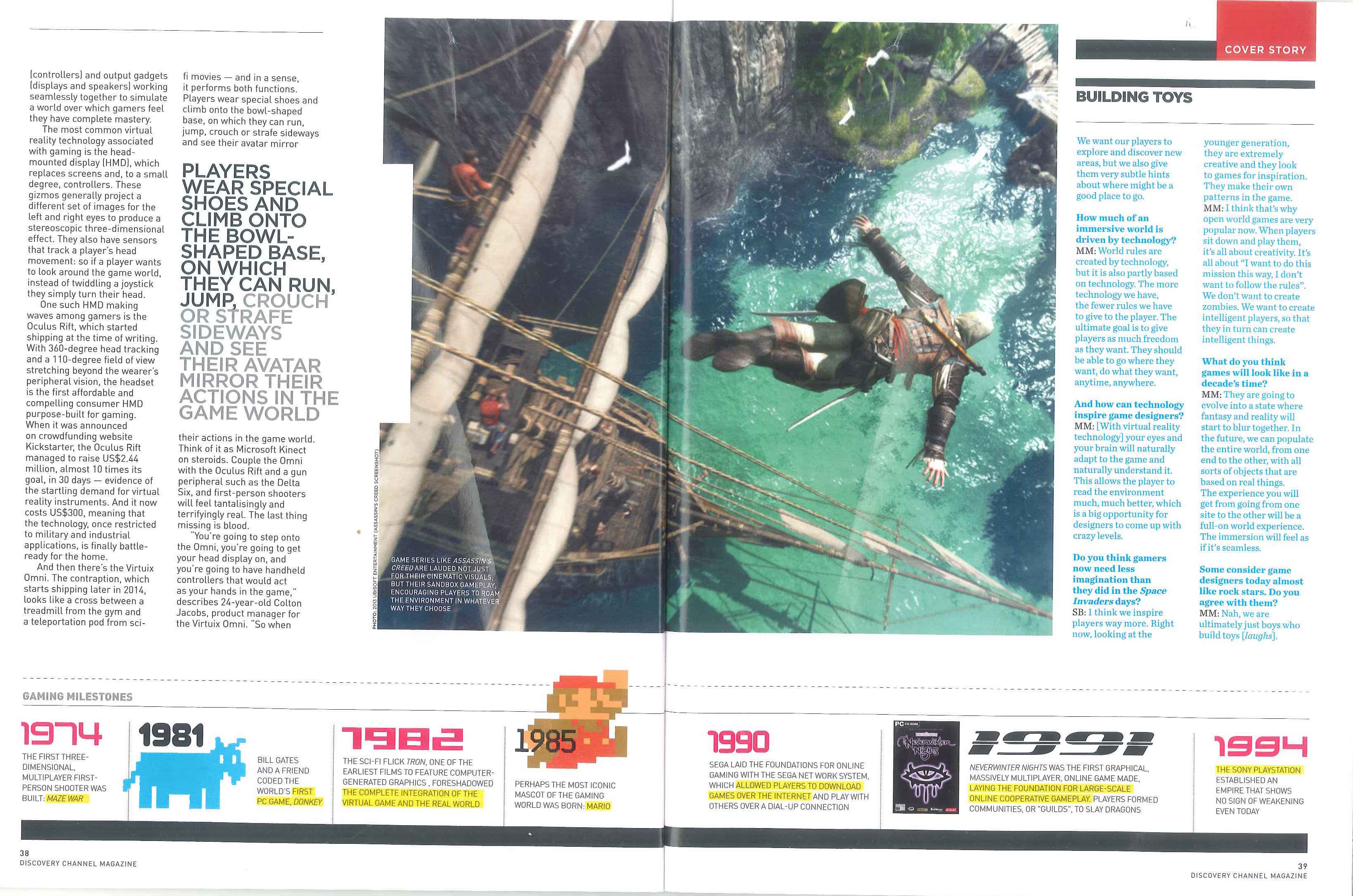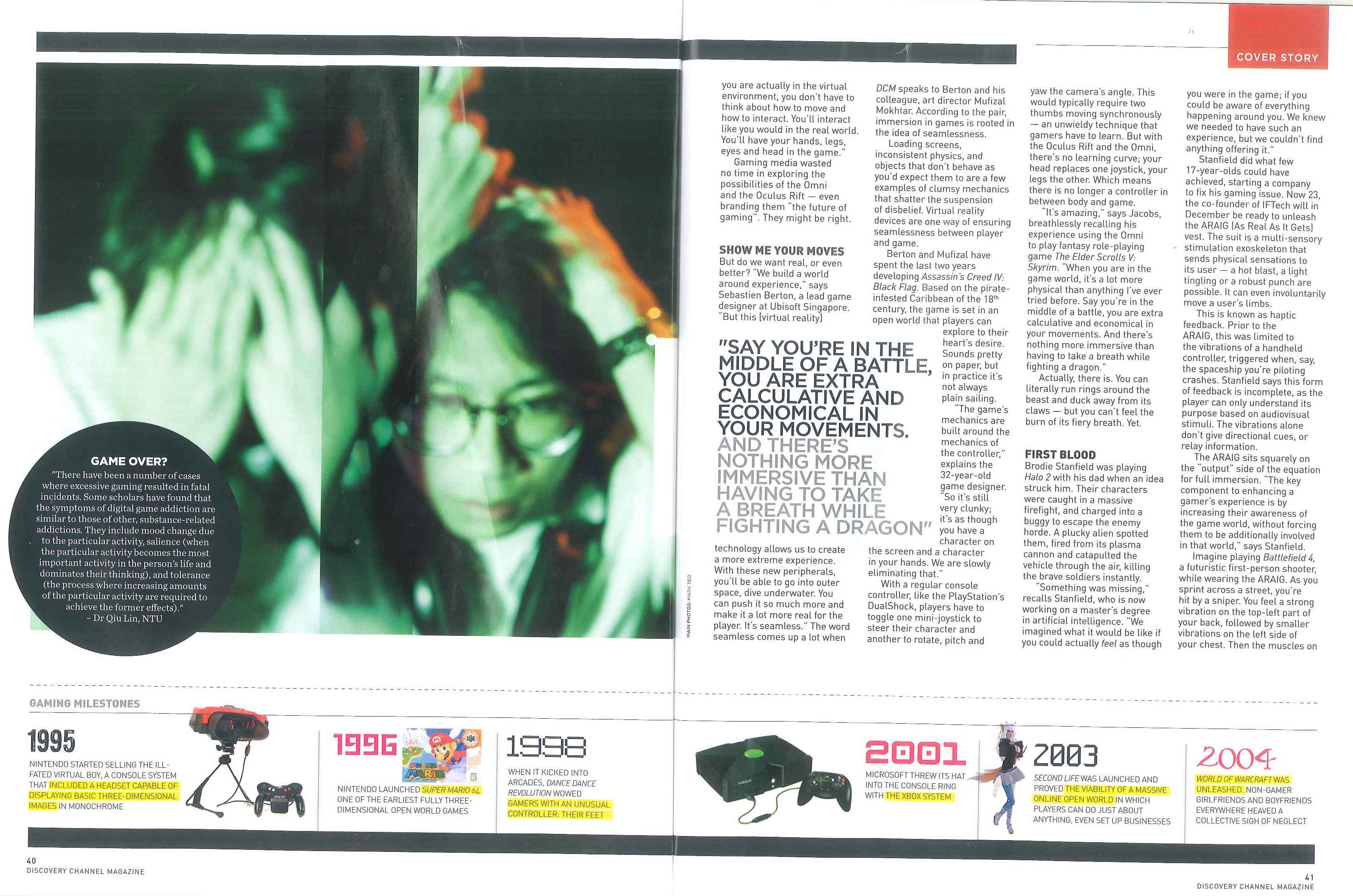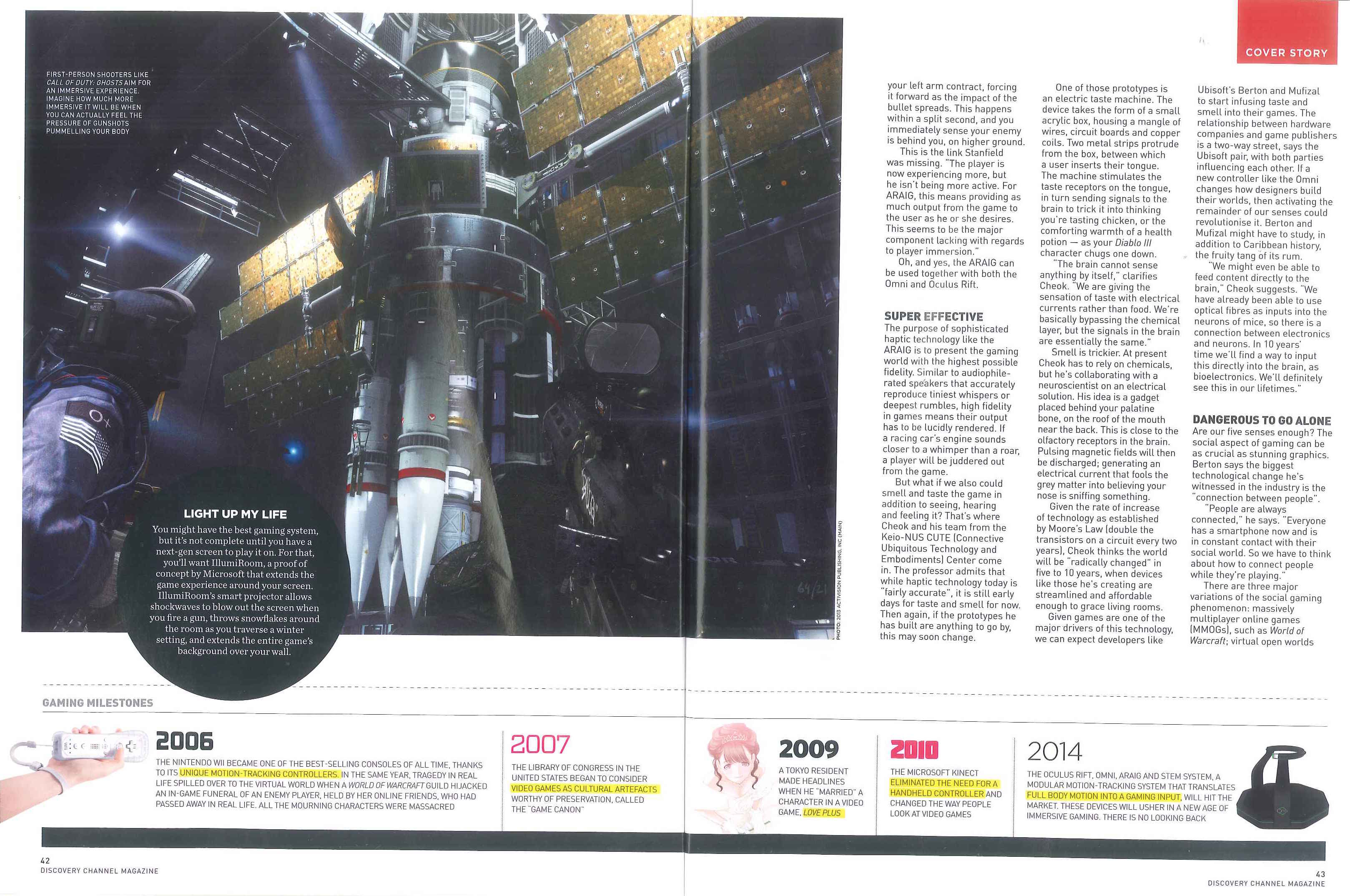

Science Museum Exhibition – Cravings: Can your food control you?

sciencemusuem_logo

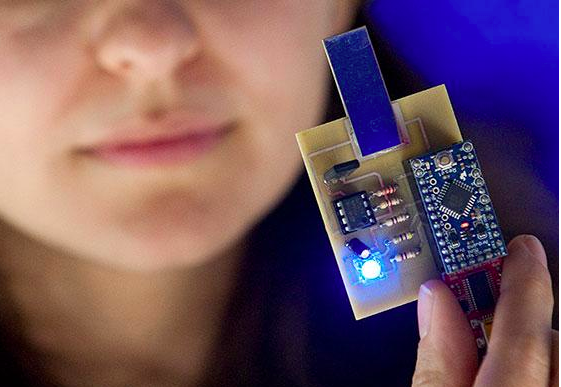
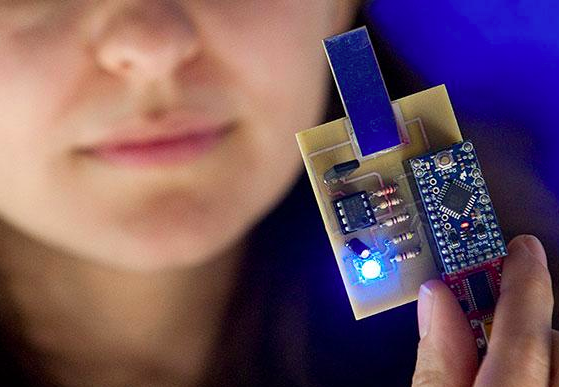
Find out how the food you eat affects your body, brain and eating-habits. See our electric taste interface exhibited in the Cravings exhibition at London’s Science Museum! Free Entry.
Screenshot 2015-03-14 16.42.10

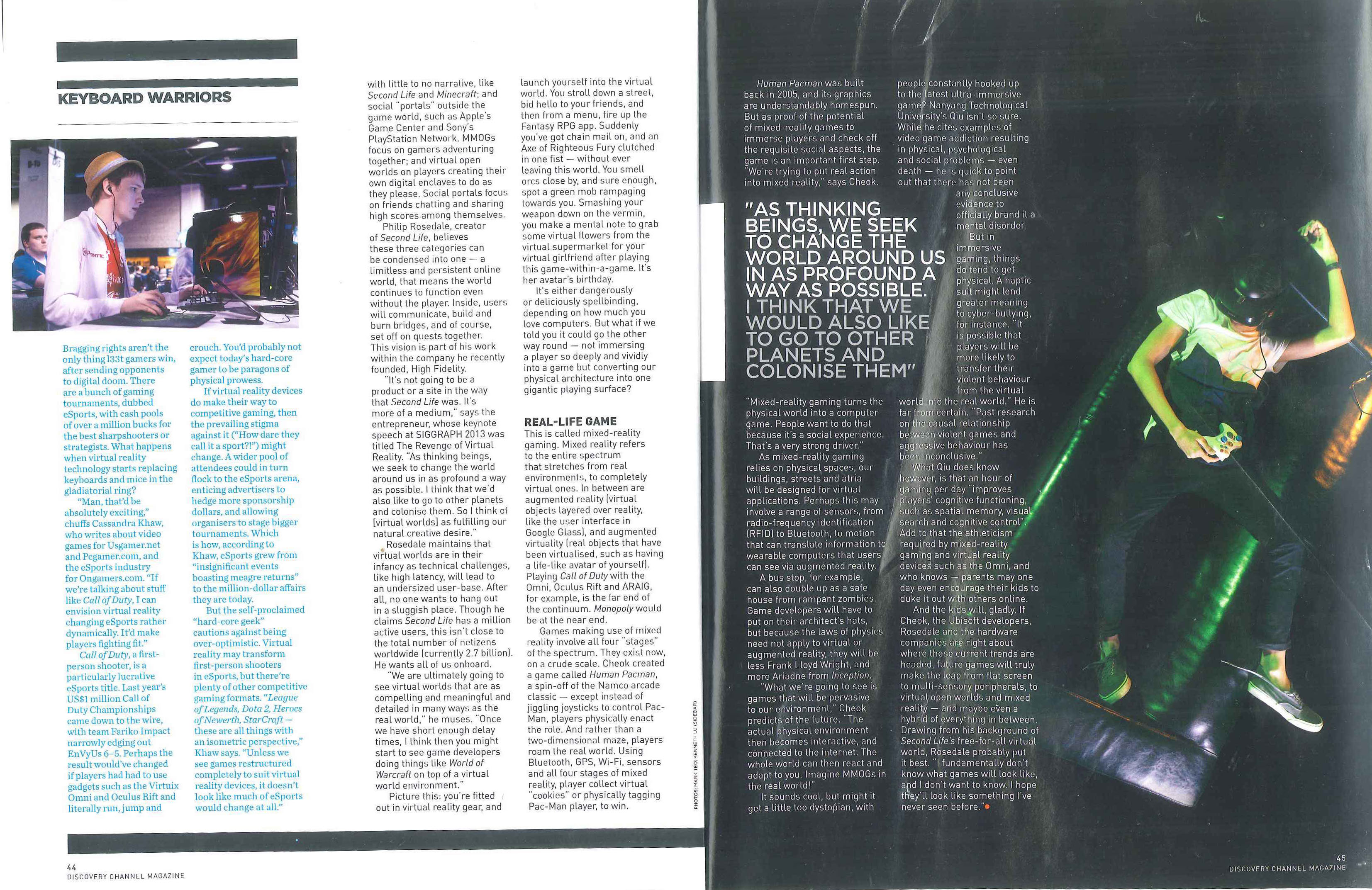
What drives your desires for the foods you love? Is it the colour of your spoon, the food your mum ate while pregnant, the trillions of bacteria that dine with you, or the little known ‘second brain’ in your gut?

From the flavours you learned to love in the womb, to the very next bite you take, your appetite has been shaped by food. Through personal stories, fascinating objects and cutting-edge science and technology, explore how food affects your body, brain and eating habits.

Visit Cravings in our Antenna gallery to:

  • See an artificial gut whirring away.
  • Take part in a real experiment on flavour perception.
  • Touch some 3D-printed mice, sniff a scientific smell kit, and ‘chew’ some ‘bread’ in our interactive displays.
  • Play Craving Commander and express your opinion on how we can get raging cravings under control. Should we ban cake except on birthdays? Use smart refrigerators that police what we eat? You decide in this fast-paced game.
  • Discover unconventional dining utensils designed by scientists and chefs to trick our sense of taste.
  • Find out if scientists think we ‘eat with our eyes’ and if we can be ‘addicted’ to food.


http://www.sciencemuseum.org.uk/visitmuseum/Plan_your_visit/exhibitions/cravings.aspx
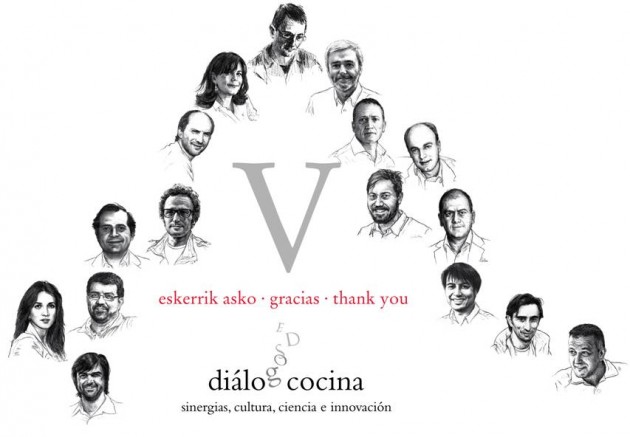

Speaker at Dialogos de Cocina 2015

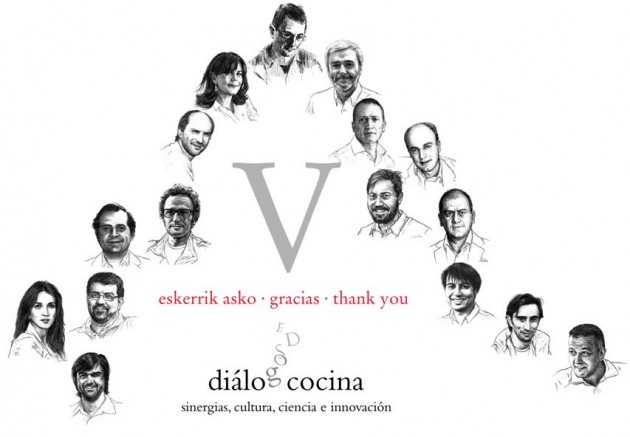
dialogos_poster

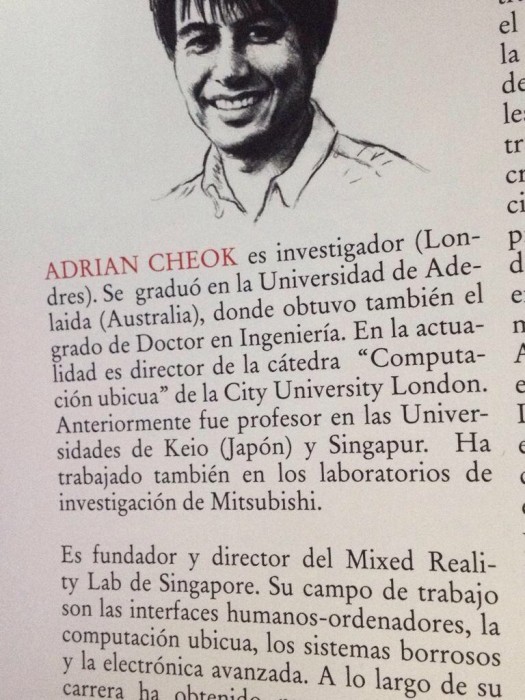
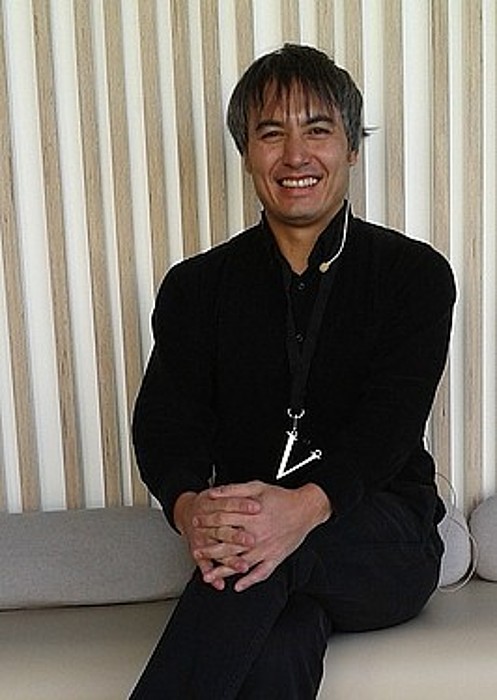
Adrian Cheok was a speaker at Diálogos de Cocina 2015 in San Sebestian, Spain. His talk, “Machines that produce emotions”, discusses experiences with new technologies in gastronomy and design of new interfaces.

dialogos_2

The talk was followed by a dialogue with Adrian, INHEDIT, Mario Sandoval and Paco Morales on the uses of technology in dining experiences.

What is Diálogos de Cocina?

Kitchen Dialogues is a project that arose in 2007, in order to create a biennial International congress which aims to build new bridges of multidisciplinary knowledge. It is an observatory which gathers the most prestigious experts in the world who, in a relaxed and informal environment, generate a space for reflection where creative synergies are built.

Since it began, the international organisation of chefs, Euro Toques, made up of more than 3,500 chefs from 18 countries, has collaborated in the organisation of the event. Likewise, in 2010, the recently created BCulinary Center, Faculty of Gastronomic Sciences and Research and Innovation Centre for Food and Gastronomy, will join the project.

http://www.dialogosdecocina.com/2015/index.php/what-is-dialogos-de-cocina

Diálogos de Cocina 2015 

In march 2015 the fifth edition of “Diálogos” wil take place in San Sebastian. This time, the main topic will be Vanguards, foreseeing the future 2013 edition “Craftsmanship in Perspecive”.

http://www.dialogosdecocina.com/2015/index.php/home


Interview in daily BERRIA, The Basque Country

2015-03-11 / Edu Lartzanguren

Jana konposatu eta inprimatuko dugu

p040_f01
Etorkizuneko janaz eta janaren etorkizunaz mintzatu da ‘gerologo’ australiarra Basque Culinary Centerren. Zapore sintetizadoreekin, inoiz probatu gabekoak dastatuko ditu aurki gizakiak, dioenez.

Gailuen eta gizakien arteko harremanen guru bat da Adrian David Cheok (Adelaide, Australia, 1971). Nonahiko Informatika irakasten du Londresko City Unibertsitatean, hau da, gizakiek ordenagailuekin zelako harremana izango duten makinok bizitzako zokorik bazterrenetara ere heltzen direnean. Sukaldaritzaz mintzatu da Basque Culinary Centerren, Donostian, Sukaldeko solasaldiak ekitaldian.

Internet bidez, zaporeak eta usainak zabaltzeko garatu dituzun gailuak erakutsi dituzu. Ziur zaude jendeak gauzak usaindu nahi dituela Internetez edo telefonoz?

Jendeak ikusten du gero eta gehiago komunikatzen garela Internet bidez, baina konturatzen dira oraindik oso zaila dela zure benetako bizipenak eta emozioak komunikatzea. Laster, bost zentzumenak erabiliko ditugu Internet bidez: elkar besarkatuko dugu, ukituko, usainduko. Elkarrekin bazkaldu ahalko dugu Internet bidez. Telepresentzia mota berria izango da. Gure ikerketen arabera, jendeak erreakzio positiboagoa du, telefonoan, irudiaz gain, ikusten duenaren usaina jasotzen duenean. Gaur, janaren irudiak dira bigarren kategoria nagusia Instagramen. Zaporea eta usaina bidaltzerik dutenean, sekulako merkatua egongo da hor.

Duela 30 urte 2015. urterako norberak bere helikopteroa izango zuela esaten zuten. Ez al zaio berdin gertatuko zuk iragarri duzun etorkizunari?

Gustu sorgailu elektronikoa hemen dago. Prototipoa da, baina primeran dabil. Zure mingaineko gustu hargailuak zuzenean kitzikatzen ditu, eta gozoa zein gazia burmuinean sortzen dizkizu, gai kimikorik gabe, digitalki. Zaporeak bidal ditzakezu Internetez, gaur musika eta irudiak bidaltzen dituzun bezala. Era berean, usaimena zuzenean kitzikatzeko eremu magnetikoak erabili nahi ditugu. Japonian eta AEBetan salgai daude jada usain mezuak bidaltzeko gailu hauek [telefonoan bidali usaina tekla sakatu du, eta lore usaina zabaldu da]. Oskar Mayer haragi etxearekin iratzargailu hau egin genuen: hirugiharrak zartaginean frijitzean egiten duen zaratarekin eta botatzen duen usainarekin esnatzen zaitu [sakatu du: hirugihar lurrina hedatu da].

Zure familiak zerikusia du garatzen ari zaren teknologiarekin?

Bai. Erdi malaysiarra naiz eta erdi greziarra. Familia dut Malaysian, Grezian eta Australian. Ezinezkoa zait denekin fisikoki elkartzea, baina, honekin, Gabonetako afari birtual bat izan ahalko dugu, eta janaren usaina zein gustua partekatu munduan sakabanatuta egonda ere. Interneten hurrengo fasean, bizipenak partekatzea izango da garrantzitsuena.

Gaur musikarako sintetizadoreak dauden bezala, jana edo zaporeak digitalki sortuko direla diozu. Baina benetan jan ahalko ditugu?

Bai. CDak sortu zituztenean jendeak uste zuen Beethovenen 9. Sinfonia orkestra etxean balego bezala entzuteko zela bakarrik. Baina, musika digital egin zenean, konposatzeko modua bera ere aldatu egin zen, eta genero berriak sortu ziren. Gustua eta usaina digitalizatzen ditugunean, jendeak hasieran esango du: «Hara, txokolate tarta baten zaporea bidali ahalko dut». Baina benetako iraultza izango da hasiko garela bestelako jana programatzen eta 3D inprimagailu batekin inprimatzen. Gustu berriak izango dira, orain usaindu ere egiten ez ditugunak. Jana konposatu, inprimatu eta Internetez banatuko dugu laster.

Malaysiara joango zara. Errazago onartzen dituzte teknologia berri hauek Asian Europan baino?

Ikerketa institutu bat eratuko dut han, Interneten geroa imajinatzeaz gain, benetako gailuak sortzeko. Europa zoragarria da sorkuntzarako, Pizkundetik dabilelako mugak hautsi nahian. Asia tradizionalagoa da, baina oso ongi onartzen ditu robotak, budismoan edozein gauzak duelako arima. Europa eta Asia lankidetzan hasten badira, oso ideia sendoak eta berriak sortuko dira.

http://www.berria.eus/paperekoa/1845/040/001/2015-03-11/jana_konposatu_eta_inprimatuko_dugu.htm


The future of extreme thrills – Guardian

titlepiece

Nicola Davis, Monday 9 March 2015

Why are humans attracted to intense, thrilling experiences that expose us to danger?

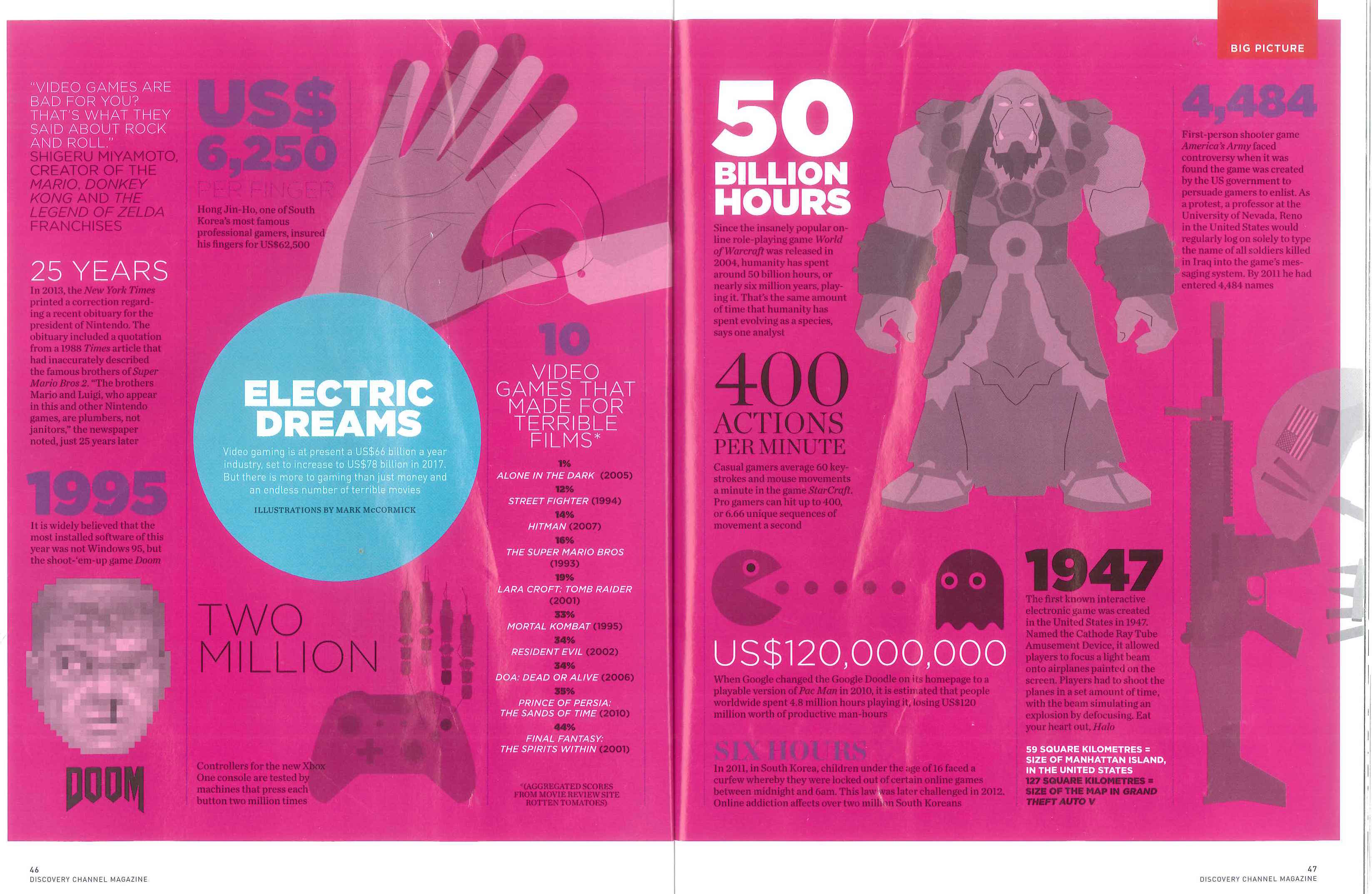
Nicola Davis is joined by Professor Adrian David Cheok of City University London. He’s the founder of the Mixed Reality Lab in Singapore. Also in the studio isProfessor Brendan Walker, the artist-engineer behind Neurosis, a mixed-reality thrill ride which will be shown at FutureFest, a weekend of immersive experiences, performances and speakers designed to excite and challenge perceptions of the future. Joining them is the journalist Kit Buchan, who recently tried out Brendan’s Neurosis ride.

Can virtual experiences provoke the same responses as real ones? Where is science and technology taking us next in our search for strange and extreme thrills? And should we be wary of the physical and psychological consequences of virtual reality?

http://www.theguardian.com/science/audio/2015/mar/09/futurefest-virtual-reality-extreme-thrills


Virtual Touch, Taste, and Smell demos and talk by Adrian David Cheok to be shown at FutureFest

images

FutureFest: Visions Of The World Yet To Come

25 Feb 2015

Stuart-Nolan-3

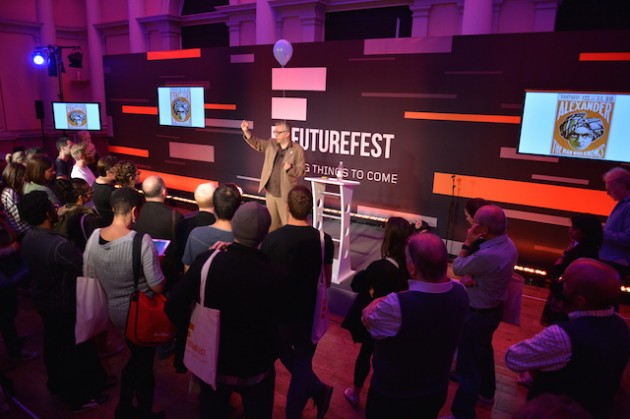
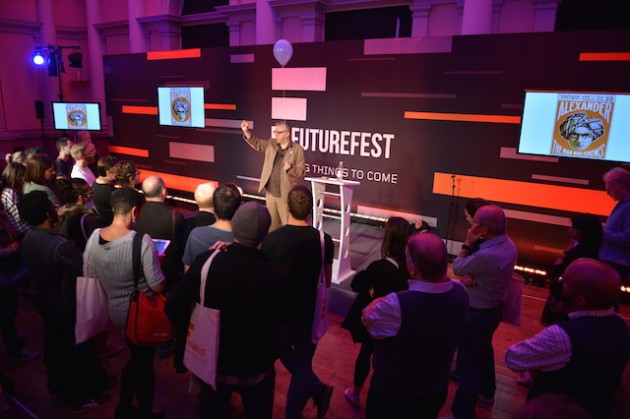
Get a glimpse of the world decades hence, as FutureFest returns to London on 14-15 March. This playful, innovative festival offers talks, visions, performances and interactive technology to explore the future of urban life.

The programme is already bristling with exciting speakers and demos, but here’s a flavour:

ROBOTS: A mainstay of visions of the future, robots are finally gaining the sophistication that could see them populating the home, streets and work place. The Emotive City installation lets visitors play with robots to manipulate the environment. Meanwhile, Michael Osborne of the University of Oxford talks about the impact of robots in the working world. Finally, have a conversation with the Blind Robot, who will gently explore your face with its hand.

DEMOCRACY: Edward Snowden (via weblink) headlines a strand on the future of democracy and human rights, with further insights from Baroness Helena Kennedy QC, Jaakko Kuosmanen, Ian Brown and Owen Jones.

MONEY: Money might be one of humanity’s most important inventions, so why is it so difficult to define? Economist Barry Eichengreen discusses past economic collapses and the implications of future financial reforms, while journalist John Lanchester explores the idea that we’re moving towards a whole new conception of the economy.

FOOD: At least in London, our diets are radically different from those our grandparents enjoyed. What will we pile on our plates a few decades from now? Will we even use plates? Or eat? Futurologist Dr Morgaine Gaye and chocolatier Paul A Young explore the sweetshop of the future and other foodie themes.

VIRTUAL REALITY: Technology has finally caught up with the concept of immersive simulation. Plug in to the Neurosis virtual thrill ride, created by Middlesex University, which uses neurological feedback to “transport, twist and twirl you through a psychedelic landscape”.

DIGITAL SENSES: City University Professor Adrian Cheok is developing ways to transmit sensory experiences over the internet.

MUSIC: Ensemble BitterSuite and Tanya Auclair provide a multi-sensory set, in which you can taste, feel and smell the music. Meanwhile Adam Harper considers how technology might affect the future of music composition.

FUTURE AFRICA: Lagos and Johannesburg are rapidly growing into world hubs of technology. Find out more about Africa’s emerging creative sectors.

DRINK: The future of cocktails is safe in the hands of Mr Lyan (Ryan Chetiyawardana), creator of Hoxton’s much admired White Lyan bar.

Other star speakers and performers include George Clinton, John Ronson, John Lanchester and Helen Lewis.

https://londonist.com/2015/02/futurefest-visions-of-the-world-yet-to-come.php


Posts navigation